Agriculture Ministry Highlights Its Leading Experience in Combating Antimicrobial Resistance at the Multilateral Partnership Platform General Assembly in Rome
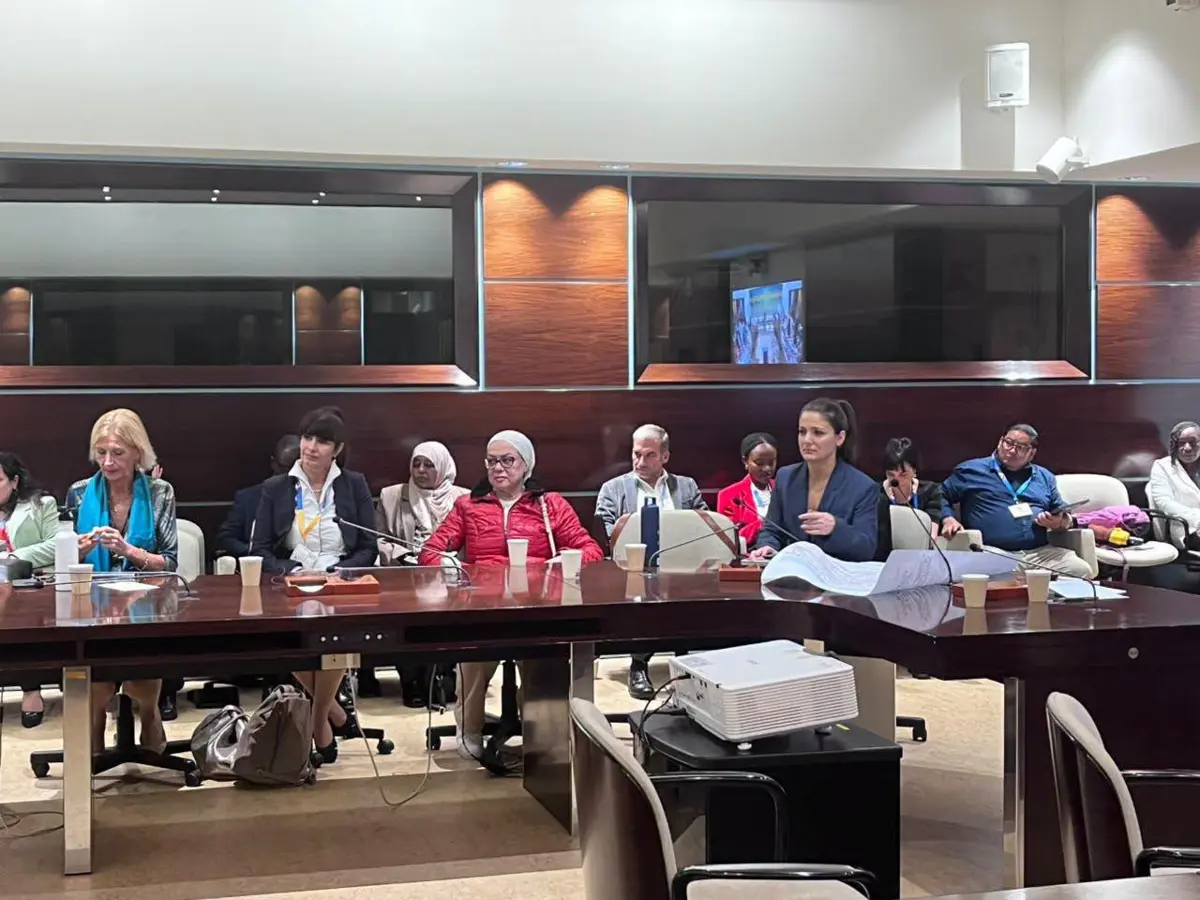
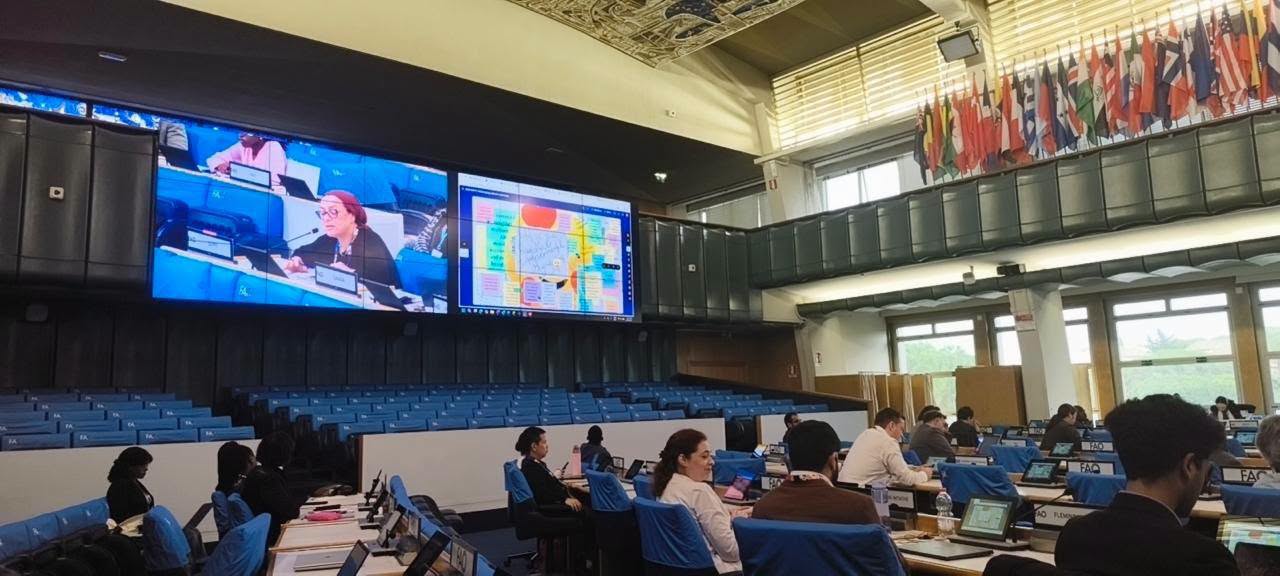
The Ministry of Agriculture and Land Reclamation announced its participation in the Fourth General Assembly of the Multilateral Partnership Platform on Antimicrobial Resistance (AMR-MSPP), hosted at the headquarters of the Food and Agriculture Organization of the United Nations (FAO) in Rome, Italy, from November 16 to 18, 2026, with the participation of leading international experts and representatives of relevant UN organizations.
Dr. Samah Eid, Director of the Animal Health Research Institute (AHRI) at the Agricultural Research Center, participated in the meetings, held under the theme “From Commitments to Integrated One Health Implementation on Antimicrobial Resistance: Accelerating Multisectoral Action,” ahead of the 2026 World Antimicrobial Awareness Week.
During the meetings, Dr. Samah Eid presented Egypt’s experience in addressing the challenges of antimicrobial resistance (AMR) and highlighted the international standing and recognition achieved by Egyptian research institutions in this field. She emphasized the pivotal role of the Animal Health Research Institute as a collaborating center of the World Organisation for Animal Health (WOAH) for the diagnosis and control of bacterial diseases and antimicrobial resistance in Africa, as well as its ongoing cooperation with the FAO.
She stressed that this international recognition, together with the Institute’s reference laboratories and advanced research and diagnostic capabilities, strengthens its ability to support countries across the region, contribute to scientific and technical capacity-building, and develop disease diagnosis and control systems in accordance with the highest international standards.
She also highlighted the Ministry of Agriculture and Land Reclamation’s efforts to implement the National Action Plan to Combat Antimicrobial Resistance through continuous epidemiological surveillance programs across the livestock, poultry, and fisheries sectors. These efforts also include intensifying awareness-raising and guidance campaigns targeting breeders and veterinarians to promote the prudent and responsible use of veterinary medicines and reduce the unjustified use of antibiotics.
The General Assembly meetings addressed several strategic issues and priorities aimed at translating international political commitments into tangible implementation measures within the framework of the One Health approach, which links human, animal, plant, and environmental health.
Key discussion areas included strengthening cooperation among the four international organizations concerned: the Food and Agriculture Organization of the United Nations (FAO), the World Health Organization (WHO), the World Organisation for Animal Health (WOAH), and the United Nations Environment Programme (UNEP), ensuring coordinated efforts and unified international action to address antimicrobial resistance.
The meetings also discussed developments in FAO’s InFARM system, which monitors antimicrobial resistance in the food and agriculture sectors and supports countries in implementing the FAO Progressive Management Pathway for AMR (FAO-PMP-AMR). In addition, participants discussed the RENOFARM initiative, which aims to reduce the need for antibiotics on farms by promoting sustainable agricultural and veterinary practices and improving the implementation of biosecurity and hygiene measures in livestock farms and aquaculture facilities.
The Ministry of Agriculture emphasized that Egypt’s participation in these meetings reflects the international confidence in the capabilities of its national research institutions and underscores the country’s commitment to strengthening cooperation with international organizations and exchanging scientific expertise. These efforts support public health protection, preserve livestock resources, and contribute to ensuring food safety and quality in accordance with the principles of the One Health approach.